Mental Health in Pakistan
Home / Blog / Post
Recent Blog


Post Categoy
Tags
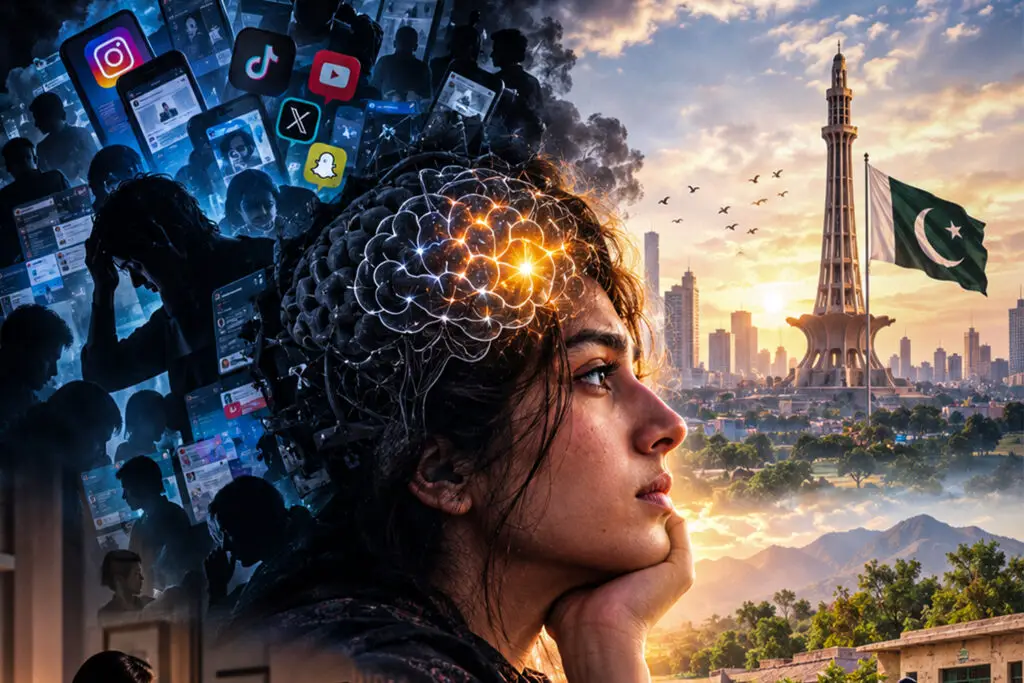
Mental Health in Pakistan
By Caleem Ul Hadi
Researcher | Psychology Professional | Personal Insights & Analysis
Introduction
As the world continues to advance, Pakistan faces significant challenges in the field of mental health. Although awareness of psychological well-being is gradually increasing, substantial gaps remain in public understanding, professional support, and access to mental health services. This article explores the factors contributing to these challenges and discusses practical strategies for addressing them. Before examining the major issues, it is essential to clarify some common misconceptions about mental health that continue to exist in Pakistani society.
Understanding Mental Health: Beyond Common Misconceptions
Mental health is just as important as physical health. When we develop a fever, experience physical pain, or suffer a fracture, we seek medical attention. Similarly, when we experience psychological distress or difficulties affecting our emotional and mental well-being, we should seek guidance from qualified mental health professionals.
Unfortunately, two important areas of public understanding in Pakistan remain underdeveloped: religious literacy and mental health literacy. In both areas, many people lack the basic knowledge necessary to identify appropriate professionals and distinguish between different forms of guidance and support. As a result, individuals may struggle to determine when they need professional psychological assistance and which specialist they should consult.
Rapid global changes are also placing increasing pressure on mental health. Technological advancements, changing social expectations, economic uncertainty, and evolving lifestyles are transforming how people think, work, and interact. Many individuals feel unprepared for these changes.
Maslow’s hierarchy of needs provides a useful framework for understanding human motivation and well-being. According to this model, individuals have basic physiological and safety needs, followed by psychological needs such as belonging, esteem, and personal growth. When people struggle to meet their fundamental needs, they may have limited time, energy, and resources to focus on other important areas of life, including mental health awareness and personal development.
Living in Pakistan and maintaining a fulfilling quality of life can be challenging. Nevertheless, people must continue to navigate these difficulties while protecting their psychological well-being. If mental health continues to be neglected, individuals and communities may face increasingly serious consequences. Addressing these challenges is therefore essential to improving individual well-being and strengthening society as a whole.
This article examines the major mental health challenges confronting people in Pakistan and proposes practical solutions. The objective is not merely to identify existing problems but also to explore how Pakistan can improve psychological well-being despite limited resources and prepare its population for future challenges.
Many experts predict that the coming years will bring substantial social, technological, and economic changes. Those who prepare for these changes today may be better positioned to adapt successfully. Similarly, psychologists and researchers are examining the psychological consequences of an increasingly complex and rapidly changing world. If Pakistan does not begin addressing these challenges seriously, the consequences could extend beyond individuals to families, communities, and society at large.
Major Challenges to Mental Health Awareness in Pakistan
Psychology and mental health services in Pakistan continue to face significant developmental challenges. Several factors contribute to the limited public understanding of mental health and the difficulties people encounter when seeking professional assistance.
The Impact of Digital Media and Rapid Technological Change
Pakistan is experiencing rapid digital transformation. Digital platforms, social media, artificial intelligence, and constantly evolving technologies are changing how people learn, communicate, work, and perceive themselves.
Although these developments offer valuable opportunities, they can also contribute to psychological stress and feelings of inadequacy, particularly among individuals who struggle to adapt to rapid change.
New applications, technologies, and digital trends emerge continuously. People may find themselves trying to understand one development when another has already appeared. For individuals who require more time to learn new skills or adapt to unfamiliar environments, this constant pressure can become overwhelming. Some may lose confidence, experience frustration, or begin to perceive themselves as unsuccessful.
It is important to recognize that keeping pace with technological progress is increasingly valuable. However, the pressure to remain constantly updated can also negatively affect psychological well-being. Excessive social media use, unrealistic comparisons, information overload, and exposure to idealized lifestyles may contribute to anxiety, low self-esteem, and feelings of hopelessness, particularly among young people.
Digital media should therefore be used thoughtfully. Rather than allowing technological change to dictate our sense of worth, individuals should develop healthy digital habits, realistic expectations, and the ability to adapt at their own pace. Public awareness initiatives should also educate young people about the potential psychological effects of digital media and encourage responsible technology use.
Social Stigma Associated With Seeking Psychological Help
One of the major barriers to mental health care in Pakistan is the stigma associated with consulting a psychologist or other qualified mental health professional.
Many people continue to believe that seeking psychological assistance is a sign of weakness or that mental health difficulties should be managed privately without professional intervention. Such misconceptions can prevent individuals from obtaining the support they need.
Consequently, people experiencing psychological distress may continue to struggle without appropriate guidance. Over time, untreated difficulties can interfere with their relationships, education, employment, and overall quality of life.
Developing effective coping skills is an important part of psychological well-being. Psychologists can help individuals understand their emotions, identify unhelpful thought patterns, develop problem-solving strategies, and respond more effectively to life’s challenges.
However, these skills are not always taught systematically in families, schools, universities, or workplaces. In a society where people may face considerable social and economic pressure, the absence of psychological support can make everyday difficulties even harder to manage.
Mental health awareness campaigns should therefore emphasize that seeking professional help is a responsible and constructive step, not a sign of personal failure. Just as people consult medical doctors for physical illnesses, they should feel comfortable consulting qualified professionals when psychological difficulties affect their lives.
The Role of Government in Strengthening Mental Health Services
In my view, the Government of Pakistan should work closely with qualified psychologists, psychiatrists, researchers, and other relevant professionals to strengthen the country’s mental health system.
Pakistan has taken an important policy step in this direction. According to the United Nations in Pakistan, the government launched the National Mental Health Policy 2026–2035 on October 1, 2026, with the aim of expanding access to mental health care for more than 32.4 million people in need of such services. The next major challenge is to translate this policy into effective action and ensure that mental health services become accessible and affordable for ordinary citizens.
This policy initiative deserves recognition. However, further efforts are needed to ensure that its objectives lead to measurable improvements in people’s lives.
One practical approach would be to create more employment opportunities for qualified psychologists, particularly early-career professionals who face difficulties securing positions in Pakistan. These professionals could contribute to mental health awareness, community outreach, educational institutions, rehabilitation services, and preventive mental health programs.
A considerable proportion of Pakistan’s population lives in rural and underserved areas, where access to specialized psychological services may be limited. Employing trained psychologists in these communities could help bridge existing gaps in service delivery.
Government-supported initiatives could also encourage collaboration between universities, healthcare facilities, schools, and community organizations. Such partnerships would allow mental health professionals to contribute their expertise while helping the public develop a better understanding of psychological well-being.
Using Traditional and Digital Media to Promote Mental Health Awareness
Media platforms can play an important role in improving mental health literacy across Pakistan. Television programs, radio broadcasts, newspapers, podcasts, and social media channels can help communicate reliable psychological information to large audiences.
Professional psychologists and other qualified mental health experts should be given opportunities to participate in educational programs across these platforms. Their contributions could help dispel common myths, explain the signs of psychological distress, and guide people toward appropriate professional support.
Social media is particularly important because it reaches large numbers of young people. However, mental health content should be accurate, responsible, and developed or reviewed by qualified professionals. Oversimplified explanations and unverified psychological advice can create further confusion.
Public awareness campaigns should also explain the differences between psychologists, psychiatrists, counsellors, and other relevant professionals so that individuals can make informed decisions about the support they need.
Increased visibility of qualified professionals would help normalize conversations about mental health and encourage people to seek assistance before their difficulties become more severe.
Integrating Psychologists Into Basic Health Units and Community Services
Pakistan’s Basic Health Units (BHUs) provide an important foundation for primary healthcare, particularly in rural communities. Integrating mental health services into these facilities could improve early identification, basic psychological support, and referrals to specialized care.
Many people living in underserved areas may have limited awareness of mental health or may not know where to seek assistance. By introducing trained mental health professionals into primary healthcare settings, the government could help make psychological support more accessible at the community level.
Depending on local needs and available resources, psychologists could provide initial assessments, psychological education, brief evidence-based interventions, and referrals for individuals requiring more specialized treatment.
Training primary healthcare workers to recognize common signs of psychological distress could further strengthen these services. Where full-time psychologists are not immediately available, supervised referral systems, outreach programs, and appropriate tele-mental health services could help extend access to care.
Integrating mental health into primary healthcare would also reinforce an essential principle: psychological well-being should be treated as a fundamental component of overall health rather than as a separate or secondary concern.
Encouraging Psychology Students and Early-Career Professionals to Contribute
Psychology students and early-career professionals represent an important resource for improving mental health awareness in Pakistan. Many possess the motivation, knowledge, and energy needed to contribute to the development of this field.
Unfortunately, some qualified graduates who are unable to secure government employment may eventually leave the profession or pursue unrelated careers. This can result in the loss of valuable skills and limit the country’s capacity to expand mental health services.
Instead of relying exclusively on traditional government employment, psychology graduates should be encouraged to contribute through multiple professional pathways, including research, educational initiatives, community outreach, organizational psychology, rehabilitation, and evidence-based public awareness projects.
Universities and professional organizations could support these efforts by establishing supervised internships, community placements, research opportunities, and collaborations with schools, hospitals, and nonprofit organizations.
It is essential, however, that psychological services be delivered within the boundaries of professional competence and ethical practice. Students should work under appropriate supervision, while independent clinical responsibilities should be undertaken only by professionals with the required qualifications and authorization.
By creating more opportunities for meaningful professional contribution, Pakistan could strengthen its mental health workforce while helping emerging psychologists build sustainable careers.
Conclusion
Mental health is just as important as physical health, although the consequences of psychological difficulties are not always immediately visible.
When someone experiences a physical injury, the pain or loss of function may be obvious, prompting them to seek medical attention. Psychological distress, however, can remain hidden for long periods. A problem that initially appears manageable may gradually interfere with a person’s ability to study, work, maintain relationships, and enjoy life.
This is why mental health should not be ignored or dismissed. Individuals should learn to recognize their psychological needs, develop healthy coping strategies, and seek professional assistance when necessary.
At the national level, Pakistan needs a coordinated approach involving government institutions, healthcare providers, educational institutions, media organizations, researchers, and communities. Reducing stigma, expanding affordable services, integrating mental health into primary healthcare, supporting qualified professionals, and promoting responsible digital habits are all important steps toward meaningful progress.
Although Pakistan faces considerable economic and social challenges, limited resources should encourage the development of practical, accessible, and evidence-based solutions rather than justify continued neglect.
The future of a society depends not only on its economic development and technological progress but also on the psychological well-being of its people. If Pakistan is to prepare its population for the challenges of the coming years, mental health must become an essential part of its national development agenda.
Let us begin taking mental health seriously today. Protecting psychological well-being is not merely an individual responsibility; it is a shared commitment to building a healthier, more resilient, and better-prepared society.
Post Tags :

A compassionate mental health practice dedicated to helping individuals, couples, and families find clarity, balance.
- Faisal Town, Main DPS Road, Mian Channu
- +92 (336) 1066361
- info@hadihealing.com
Our Services
Quick Links
Stay Informed
Get weekly mental health tips, therapy insights, and self-care guides delivered to your inbox.